
What can we do as architects to soften the impact of wildfires?
- Luis Watanabe Yong

- Feb 11, 2025
- 3 min read
Stopping wildfires from spreading may be nearly impossible, but as architects, we can’t simply wait for the emergency to pass before stepping in to rebuild. Is there more we can do? Can smarter design make a difference? The answer is yes.
Many of the homes lost in recent LA wildfires were built between the 1930s and 1950s—long before modern building codes and fire safety standards were in place. While the National Fire Code has evolved significantly over the years, it often takes a disaster to push regulations forward.
Yet, we don’t have to wait for tragedy to improve resilience. As designers, we have the power to integrate fire-resistant strategies into our projects now, ensuring that future homes stand a better chance against wildfires.
1.- Eaves and overhangs

Perhaps one of northamerica most common design feature, it actually is counterproductive for a fire-proof design. Eaves and overhangs can become eddies or trap embers, increasing the risk of fire.
2.- Yard
A yard full of vegetation has long being a thing to mae yourself proud and to stand out from your neighbours, but this is possibly the fastest way fire can spread to your home. Now, that doesn't mean we cannot have a good back or front yard, only that our design approach must change.
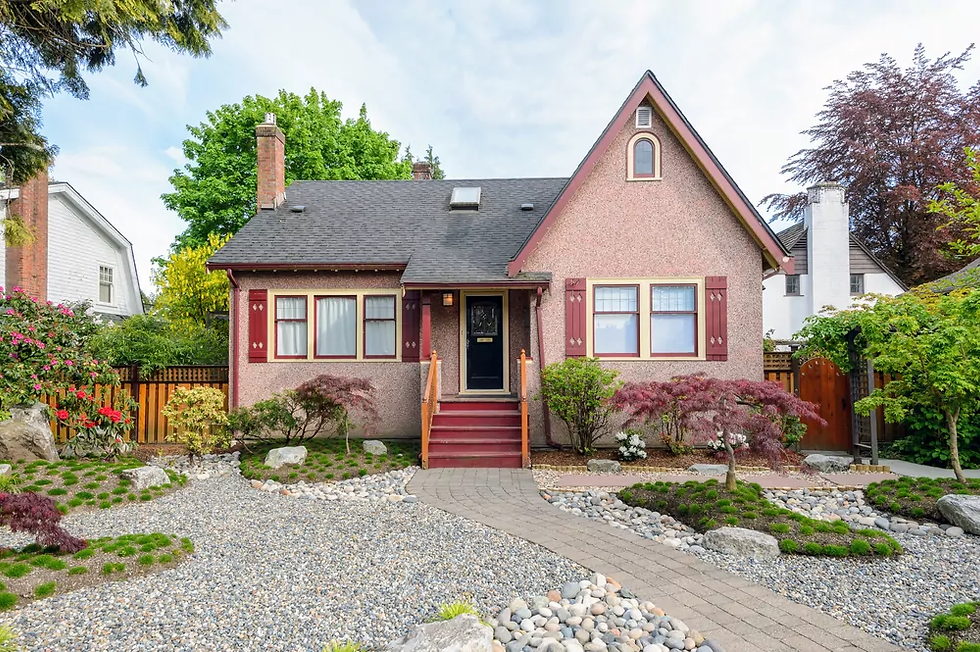
We can provide good-quality design without the need of grass, or excessive vegetation. In any case, grass needs too much water to maintained, making it not sustainable.
3.- No attic vents

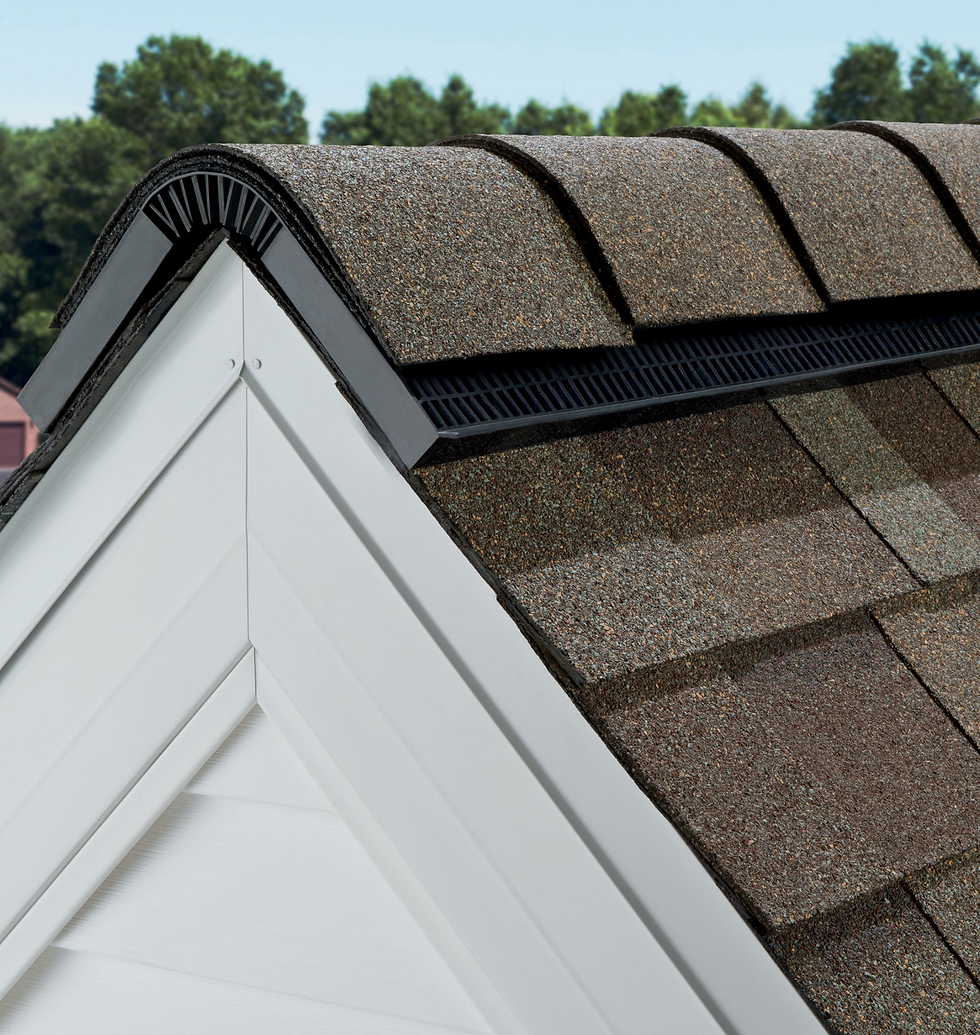
Is almot counterintuitive to decide to not use attic vents, since they are a useful tool to allow moisture to vent out, reducing the risk of condensation. But this can allow sparks inside the roof.
One option is the use of ridge vent, which could lead to the same benefits, while reducing the risks of fire.
4.- Fire-proof materials
The first thing that comes to mind is, "Why are we using wood structures, wood shingles, and other flammable materials in wildfire-prone areas?"
While materials alone aren’t the ultimate solution—since even concrete homes in LA have been lost to fires—the construction system plays a crucial role. However, that doesn’t mean reconsidering materials is a waste of time. Certain options, like metal roofing, Class A fire-rated wood, heat-treated wood, and steel, offer better fire resistance without compromising design aesthetics. Even tempered glass for windows can add to fire resistance.

5.- Simple shape
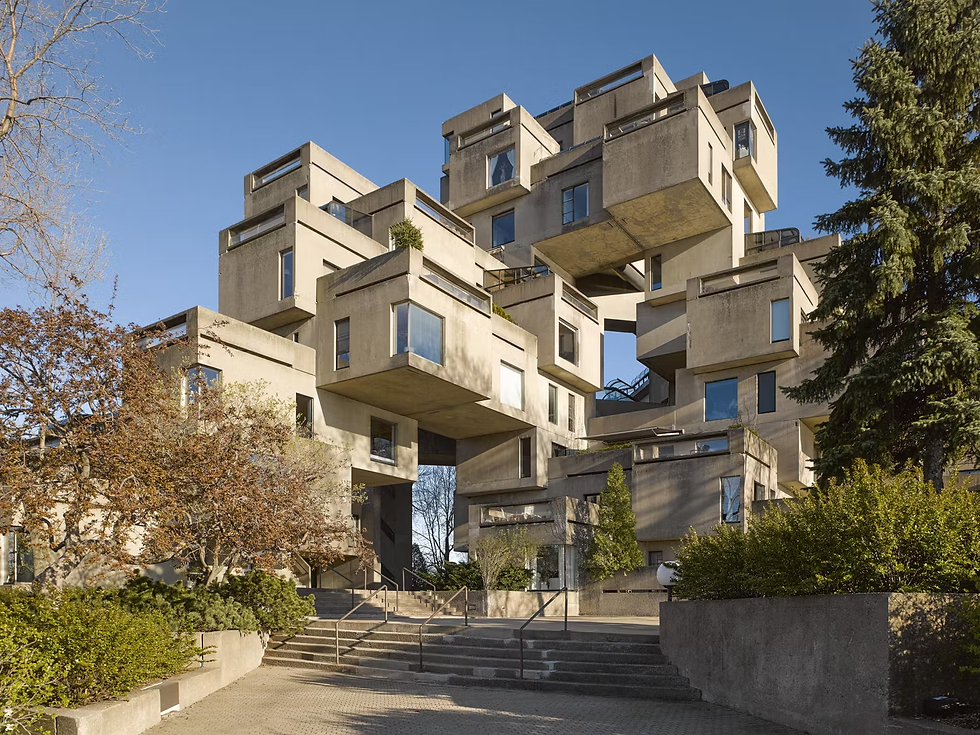
In this case, simplicity is key—much to Robert Venturi’s dismay. Complex intersections in a building, such as dormers and other pop-outs, can create vulnerabilities to fire. A clean, compact form not only enhances fire resistance but also aligns with Passive House standards for efficiency and resilience.

6.- Airtight system
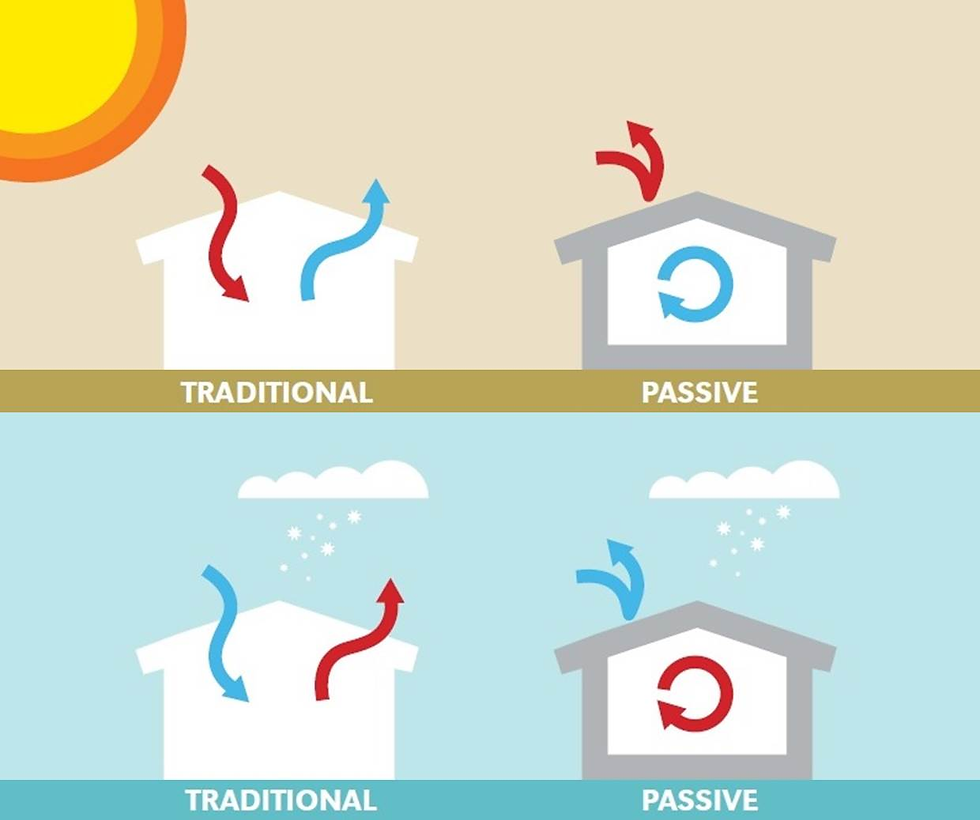
Airtight buildings—especially those meeting Passive House standards—offer an added layer of protection against smoke infiltration, giving residents more time to evacuate safely.
7.- Zone of influence
As a final piece of advice, consider the Home Ignition Zone. A home can catch fire from three primary sources: embers, direct flames, and radiant heat. To mitigate these risks, divide the area around your home into three zones:
Immediate Zone (0–5 ft): The most critical area, where fire-resistant materials and minimal vegetation can prevent ignition.
Intermediate Zone (5–30 ft): A buffer zone with reduced fuel, strategically placed landscaping, and fire-resistant plants.
Extended Zone (30–100 ft): A less intense preparation area designed to slow the fire’s spread by thinning vegetation and managing tree spacing.
By thoughtfully designing these zones, you can significantly improve your home’s resilience against wildfires.


Comments